
STORE INFO
Location & Store Hoursmy cart
Secure checkout
If you love both a good workout and a nicely rounded wellness routine, this dilemma will be relatable to you.
CBD topical vs oral CBD...Which should you choose? Should you massage some CBD cream into that sore shoulder or take a gummy and wait for the relief? The answer, as with most things CBD-related, depends on you, your routine, and what kind of recovery your body needs.
Before we start to compare CBD topicals to ingested CBD, let’s see how they work:
When you apply a CBD topical, a cream, balm, gel, or salve, the CBD doesn't enter your bloodstream. It absorbs through the outer layers of skin and interacts with cannabinoid receptors (CB1 and CB2) located in the skin, muscles, and nerves. The effect is entirely local.
When you take CBD orally, like a tincture or gummy, it passes through your digestive system before reaching your bloodstream. From there, it circulates throughout your body, including your central nervous system.
This difference, local vs systemic, influences everything. How fast the CBD works, how long it lasts, and what kind of recovery problems it can help with.
Topical CBD is a more targeted option. You apply CBD cream to the problem area, such as a stiff neck, a sore quad, or an aching lower back, to get quick support right where the ache is.
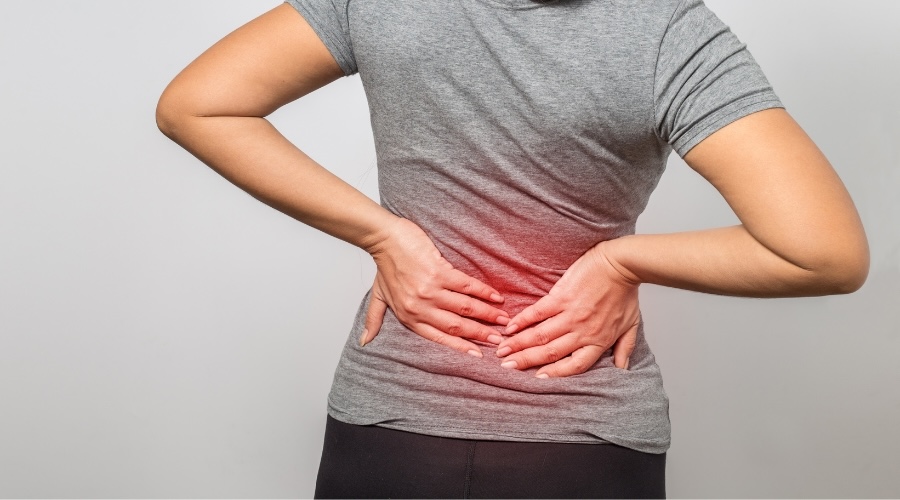
Topical CBD works faster than oral CBD, often within 10 to 30 minutes, since there is no digestion involved. The effects are not as long-lasting as with oral products, but you can still get a few hours of support, depending on the formula and how much you apply, and you can always reapply as needed.
CBD topicals can:
Just remember that CBD topicals can’t really reach deep muscle tissue, and they probably won't help with whole-body inflammation or systemic recovery. If you've pushed your entire body hard, a topical alone probably won't cover everything you need.
Oral CBD, such as gummies and tinctures, works through your bloodstream, so the effects are more general and can provide support to your entire body. You can use it after intense workouts, when you have multiple sore muscle groups after a hard day of work, or when you feel tired in general.
Oral CBD is a better choice when:
The downside of oral CBD is the onset time. The gummies have to go through digestion, which means 30-90 minutes before you feel any effects. Tinctures held under the tongue can work in 15-30 minutes, as some of the CBD is absorbed sublingually.
Yes, and many people do exactly that.
Using topical CBD on a specific sore spot while taking a CBD gummy, for example, covers both angles: localized relief and systemic support.
If you just had a hard-hitting workout, you can apply a CBD cream to your knees or lower back immediately after for faster effects, and then take some oral CBD right before bed for sleep support and whole-body recovery assistance.
Still not sure what the best choice is? Here is a simple way to figure out which option fits your situation the best:
Remember, when you’re choosing a CBD product, quality matters more than the format. A good CBD product, be it topical or oral, should have:
The difference between CBD topicals and oral CBD is pretty straightforward. The choice depends on your recovery needs.
If budget isn't a concern for you, the best approach is to use both: topical CBD for specific, affected areas and oral CBD for overall recovery. If you're choosing just one, think about where your biggest recovery need is, and choose accordingly.
Whichever you choose, look for quality products with third-party testing, always start at a low dose, and pay attention to the effects so you can adjust accordingly. Your muscles might just thank you.
